
4
The Internet of Things (IoT) has transformed the way devices communicate and operate. From smart homes to industrial automation, connected devices make life more convenient and efficient. However, when an IoT system fails, the consequences can be severe—ranging from security risks to large-scale operational disruptions.
What Is IoT?
The
Internet of Things
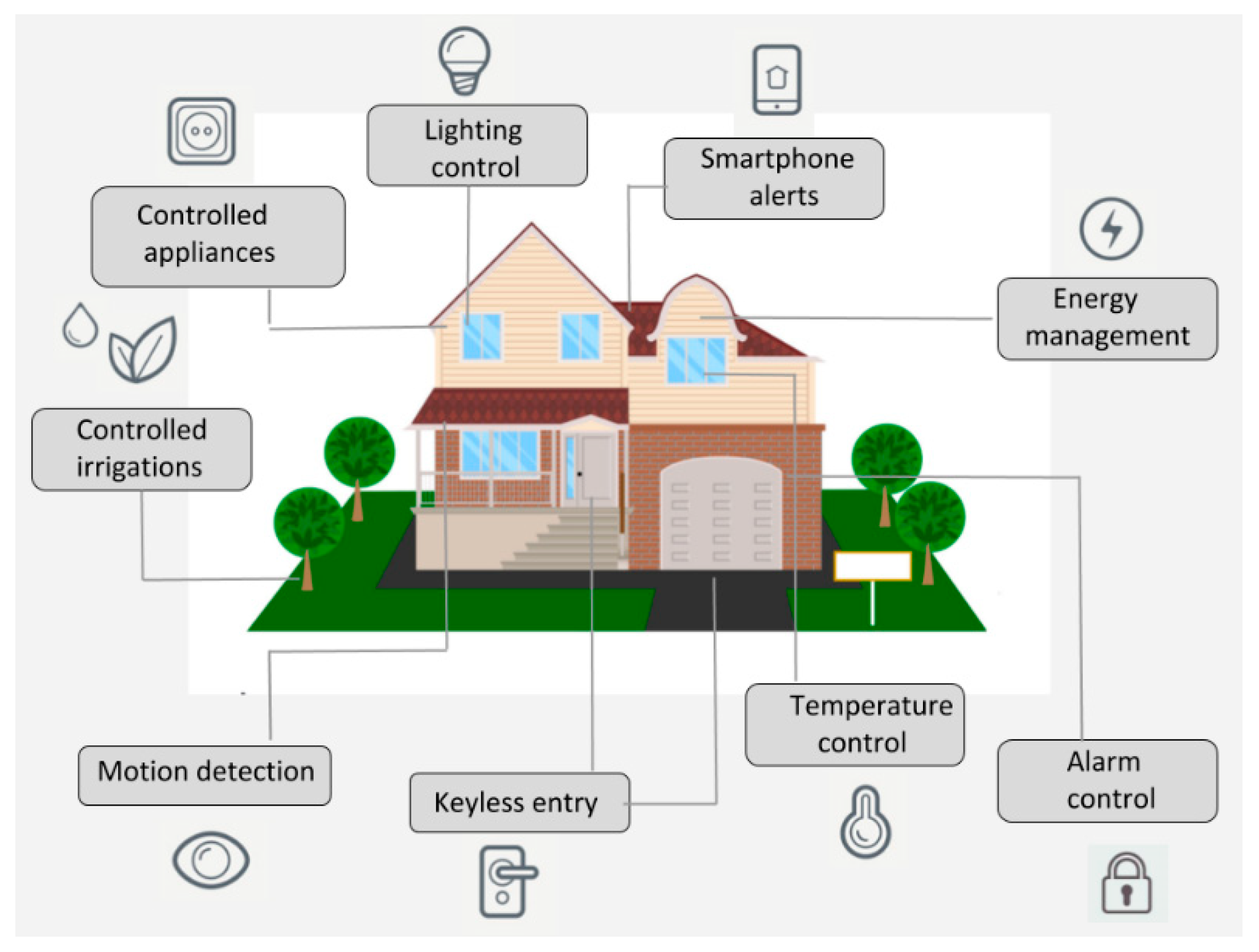
refers to a network of physical devices such as sensors, appliances, vehicles, and machines that communicate through the internet. These devices collect and exchange data to automate tasks and improve efficiency.
Examples include smart thermostats, wearable fitness trackers, connected vehicles, and industrial monitoring systems.
When IoT Systems Fail
An IoT failure can occur for several reasons:
- Network outages that prevent devices from communicating
- Software bugs causing devices to malfunction
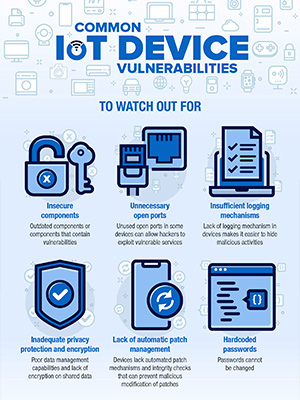
- Security vulnerabilities leading to hacking or data breaches
- Hardware failures in sensors or connected equipment
When these issues occur, the impact can spread quickly across multiple connected systems.
The Real Risks
In smart homes, an IoT failure might simply mean lights or thermostats stop working. But in critical environments such as hospitals, factories, or transportation networks, the consequences can be far more serious.
For example, industrial IoT systems monitor equipment performance in factories. If sensors stop transmitting data, companies may lose the ability to detect machinery problems before they cause costly breakdowns.
Security Concerns
Security is one of the biggest fears in IoT systems. Weakly protected devices can become entry points for cyberattacks. Hackers may gain control of connected devices or steal sensitive data, creating major privacy and safety risks.
Experts emphasize the importance of strong encryption, regular software updates, and secure device authentication.
Preventing IoT Disasters
To reduce the risk of IoT failures, organizations should:
- Implement strong cybersecurity measures
- Regularly update device software and firmware
- Monitor network performance continuously
- Use backup systems and fail-safe mechanisms
Conclusion
IoT technology offers incredible convenience and efficiency, but it also introduces new risks. A failure in connected systems can quickly escalate into a major problem if not properly managed. By prioritizing security, reliability, and system monitoring, organizations can prevent the worst nightmares of an IoT breakdown and keep connected devices running safely and smoothly. 🌐🔧