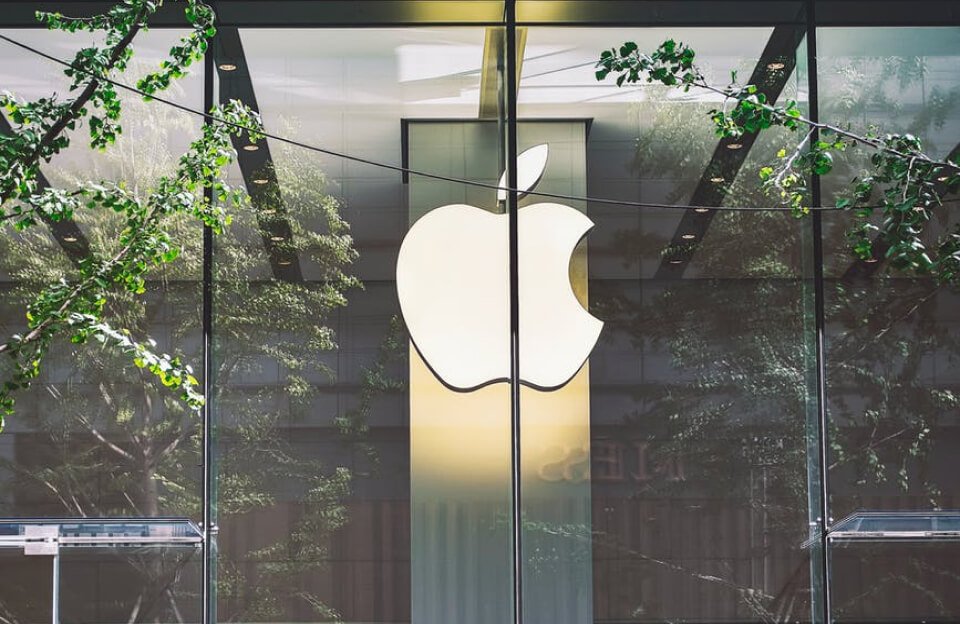
Apple has once again expanded its retail footprint in China, unveiling a new megastore in Beijing’s upscale Sanlitun district, even as the company faced sharp criticism from U.S. political figures earlier that week.
A Major New Store in Beijing
The new store in Sanlitun replaces and more than doubles the size of Apple’s original outlet at the same location, which first attracted attention back in 2008. The redesigned space is intended to enhance the customer experience with more room for product displays, services, and community events.
The expansion reflects the continued importance of China as a market for Apple’s products and services. Over the years, China has become a key region for iPhone, iPad, and Mac sales, and Apple continues to invest in physical retail locations to support brand visibility and customer service.
Context: U.S. Political Criticism
The news of Apple’s expansion came shortly after a speech by U.S. Attorney General
William Barr, in which he criticized several American technology companies for their business practices related to China. In his remarks, Barr singled out Apple for allegedly being “acquiescent to the Chinese Communists,” accusing the company of complying with Chinese government demands — including the removal of certain apps from the China App Store to adhere to local regulations.
Critics have pointed to Apple’s adjustments in China — such as app removals or local data storage changes — as examples of how global companies sometimes must navigate conflicting expectations between different governments and regulatory environments. These business decisions can draw scrutiny from policymakers and the public alike.
China’s Strategic Importance for Apple
Despite political pushback, Apple continues to prioritize China for several reasons:
- Large Consumer Base: China represents one of the world’s largest markets for smartphones and other consumer electronics.
- Manufacturing Hub: Apple’s supply chain is deeply rooted in China, with many products assembled there.
- Revenue Contribution: A significant portion of Apple’s global sales comes from the Greater China region, making it economically vital.
At the same time, Apple faces increasing competition from domestic Chinese brands such as
Huawei and others, which continue to expand their own retail presences and appeal to local consumers.
Balancing Business and Politics
Apple’s decision to open a larger retail space in China highlights the company’s strategy to strengthen ties with its Chinese customer base despite external geopolitical tensions and criticism. By investing in major markets and updating physical stores, Apple signals its commitment to long-term engagement — even when that involves complex regulatory and political dynamics.
As the global technology landscape continues to evolve, Apple’s actions in China demonstrate how major multinational companies must balance business opportunities with political pressures from multiple directions.