

4
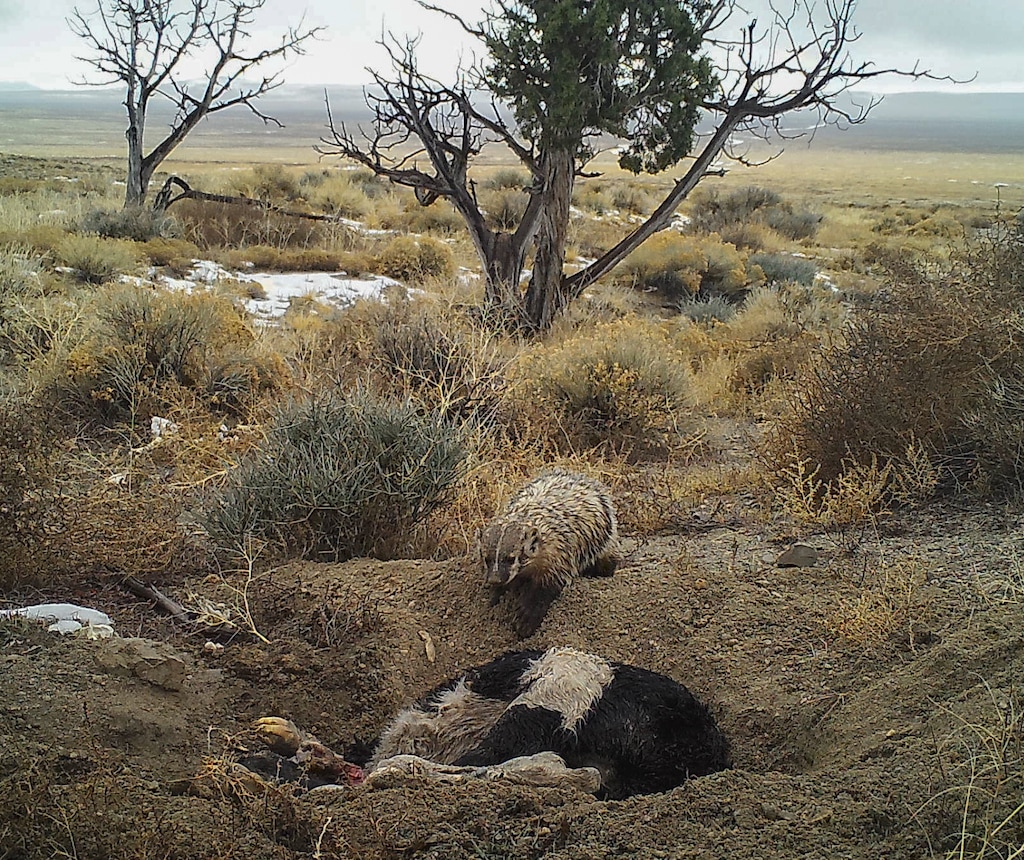
A surprising wildlife observation caught the attention of scientists when a badger managed to bury an entire cow carcass. Researchers reviewing footage from remote wildlife cameras were amazed to see how the animal handled prey many times larger than itself.
The discovery provided new insights into the behavior of the
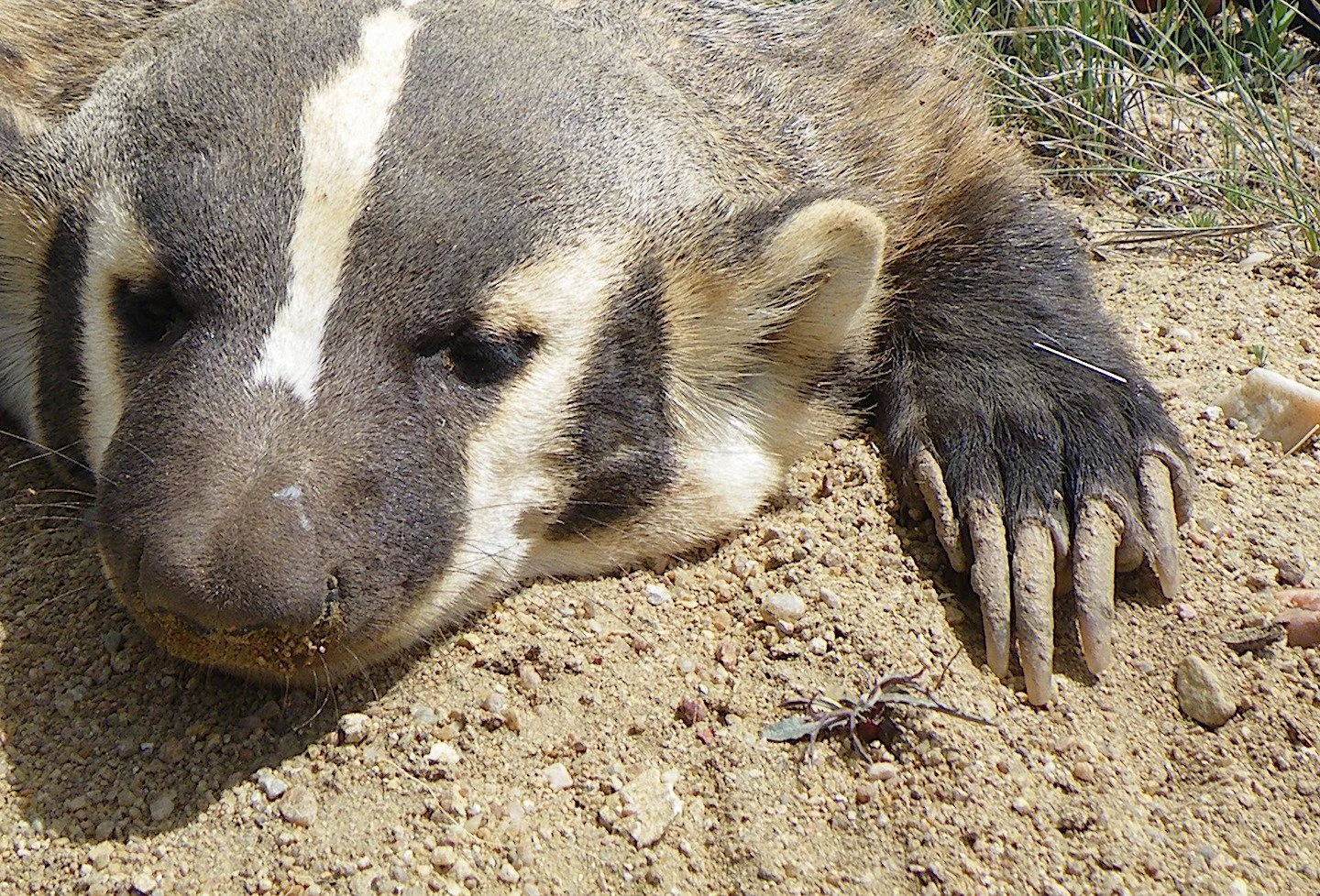
American badger, a powerful burrowing mammal known for its digging ability.
An Unexpected Discovery
The unusual event was recorded during a wildlife monitoring project at
Utah State University. Researchers had placed a cow carcass in the field as part of a scavenger study and set up motion-activated cameras to observe which animals would feed on it.
Instead of simply eating from the carcass, a single badger began digging around it. Over several days, the animal gradually pulled soil over the cow until the entire carcass was buried underground.
Why Would a Badger Bury Such a Large Animal?
Badgers typically bury food to store it for later consumption and to protect it from other scavengers. By covering the carcass with soil, the badger created a natural “food cache.” This behavior helps preserve the food and hides it from competing animals such as coyotes, foxes, and birds.
Although burying small prey is common among badgers, burying something as large as a cow is extremely rare and highlights the species’ remarkable digging strength.
What the Camera Footage Revealed
The camera trap footage showed the badger repeatedly digging soil around the carcass and pushing the dirt beneath and over the body. Over time, the cow slowly sank into the ground as more soil was displaced.
This process demonstrated just how efficient badgers are as ecosystem engineers, animals that physically modify their environment.
Why the Discovery Matters
Observations like this help scientists better understand how scavengers influence ecosystems. By burying large carcasses, animals like badgers can change how nutrients are distributed in the soil and how other scavengers access food sources.
The unexpected behavior captured on camera shows that even well-studied species can still surprise researchers with their abilities and survival strategies.