4
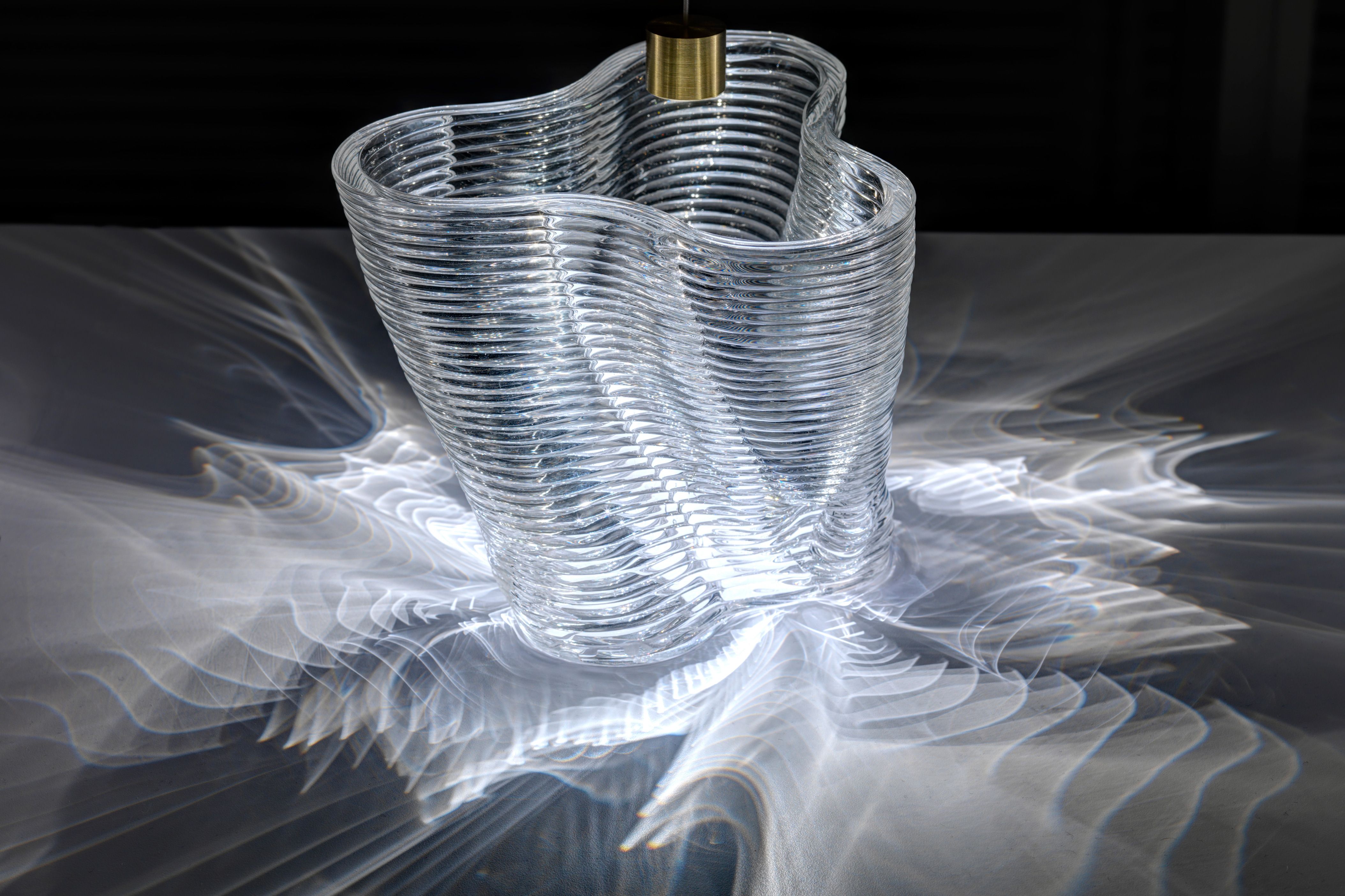
Breaking a favorite glass or mug might soon be less frustrating thanks to advances in 3-D printing technology. Researchers are developing methods to 3-D print glass objects, potentially allowing people to recreate broken glassware at home or in specialized workshops.
How 3-D Printing Glass Works
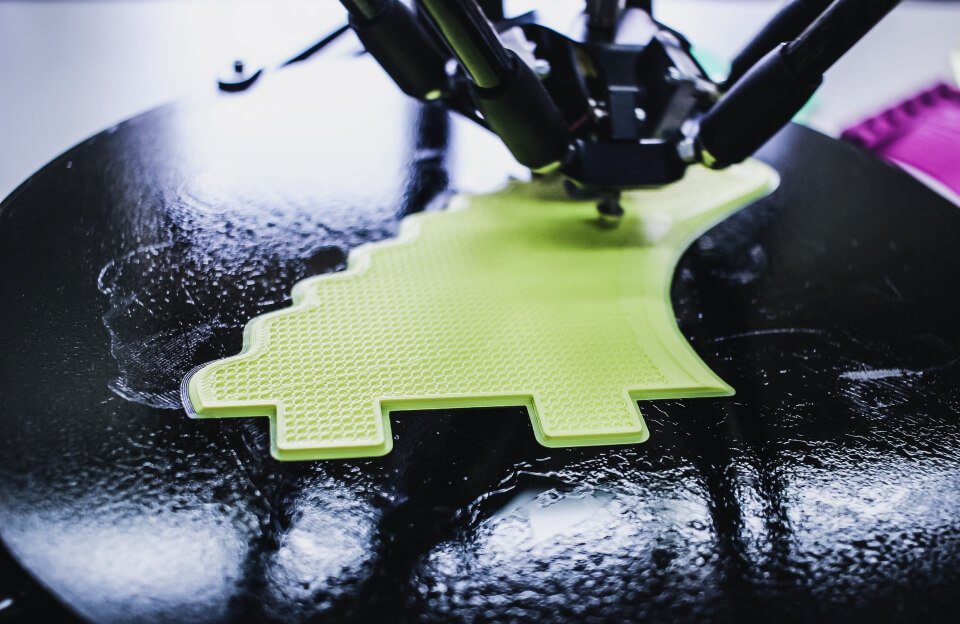
Traditional 3-D printing uses plastics, metals, or ceramics, but glass is trickier due to its high melting point and tendency to deform while cooling. Recent innovations involve:
- Molten Glass Printing – Heating glass to extremely high temperatures so it can be deposited layer by layer.
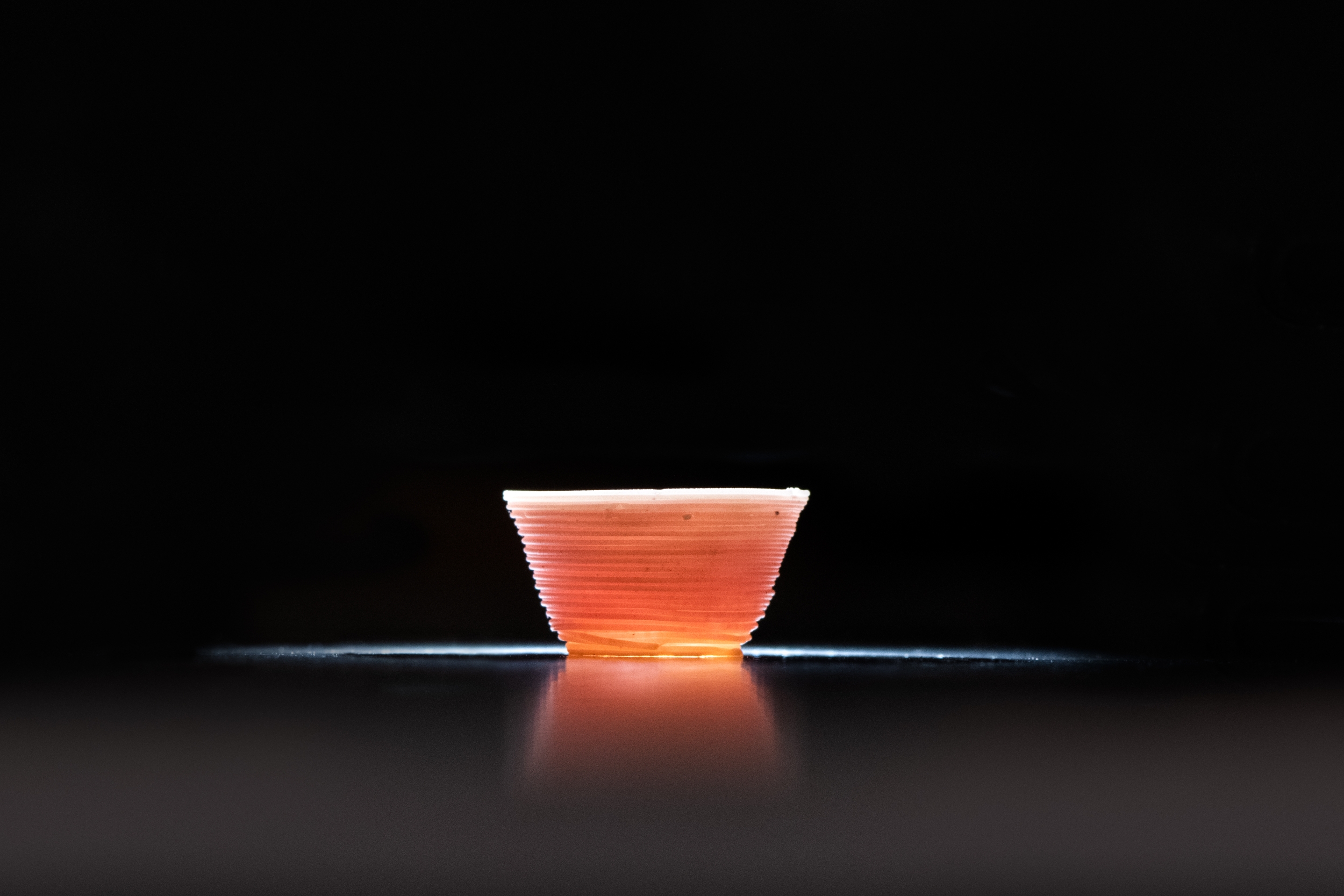
- Cold-Process Techniques – Using silica-based pastes that solidify into glass after firing.
- Precision Control Systems – Ensuring the shape remains intact and the material remains transparent.
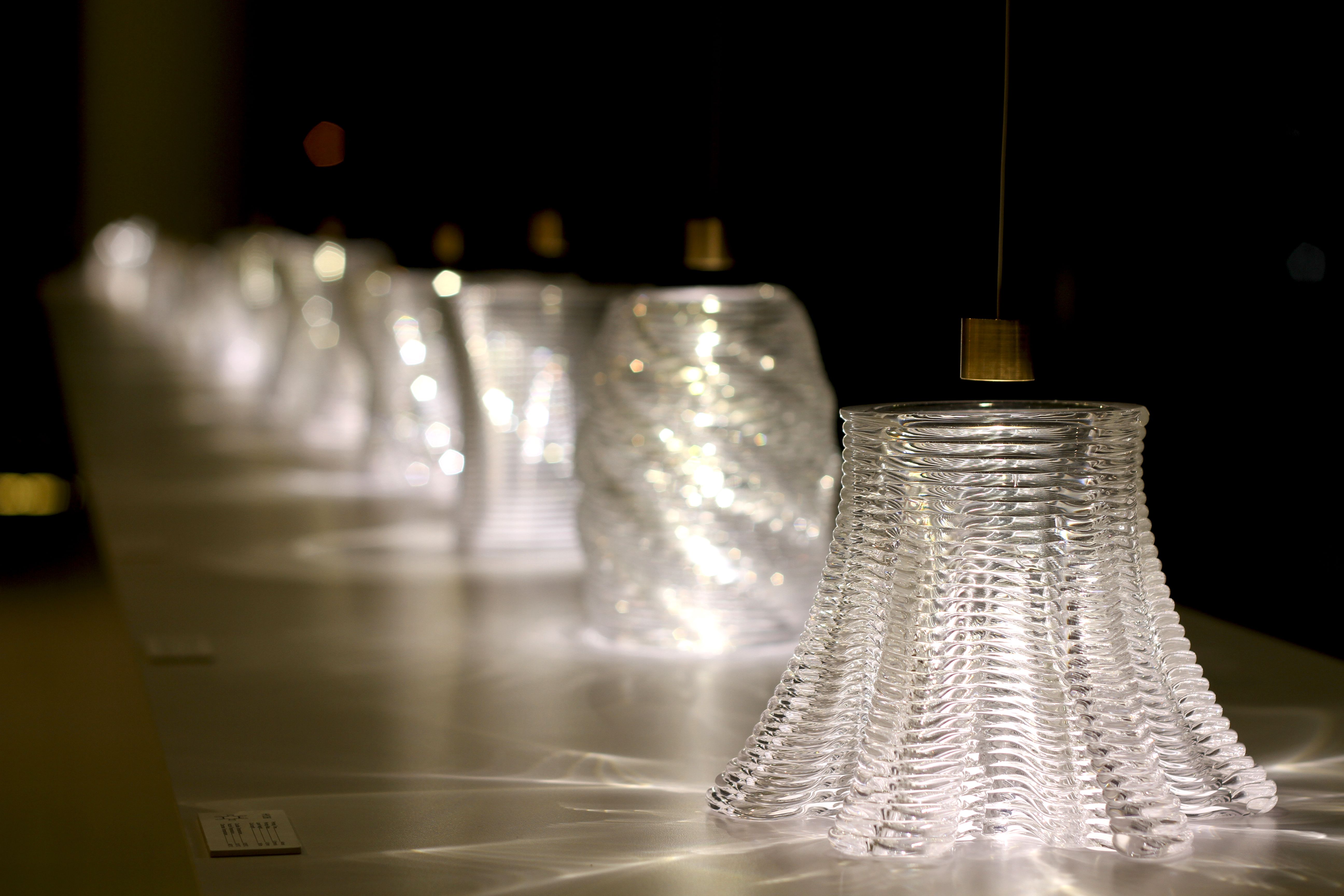
These methods aim to produce functional and aesthetically pleasing glass items that match the original design.
Applications Beyond Home Use
3-D printed glass could revolutionize industries such as:
- Art and Design – Artists can create intricate shapes that are impossible with traditional glassblowing.
- Science and Laboratory Equipment – Custom glassware for chemical experiments or medical labs.
- Consumer Products – Replacement cups, vases, and decorative objects on demand.
Benefits of 3-D Printing Glass
- Customization – Print personalized shapes and designs.
- Reduced Waste – Only print what you need instead of discarding broken items.
- On-Demand Production – Quickly replace broken items without waiting for manufacturing or shipping.
Challenges Remaining
Despite the promise, 3-D printing glass faces several hurdles:
- Maintaining transparency and uniform thickness
- Controlling cooling rates to prevent cracks
- Scaling the technology for everyday use
The Future of Glass Printing
As research continues, 3-D printing could transform how we interact with fragile materials. One day, instead of throwing away a broken glass, you might simply 3-D print a perfect replacement, making glassware more sustainable and personalized than ever. 🥂🖨️