Pollination is one of nature’s most essential processes, and photographers around the world are finding creative ways to capture it. By focusing on bees, butterflies, and other pollinators, photographers can reveal the intricate dance of nature as these tiny players move pollen from flower to flower.
The “Dust” of Pollination
Pollinators carry pollen grains on their bodies, which often appear as a fine dust coating their legs, wings, and thorax. This pollen is not just visually striking for photographers—it’s vital for the reproduction of plants and the production of fruits and seeds.
Macro photography allows artists and scientists to capture the detailed patterns of pollen grains, showing how each species interacts with different flowers. These images highlight both the beauty and the ecological importance of pollinators.
Techniques for Photographing Pollinators
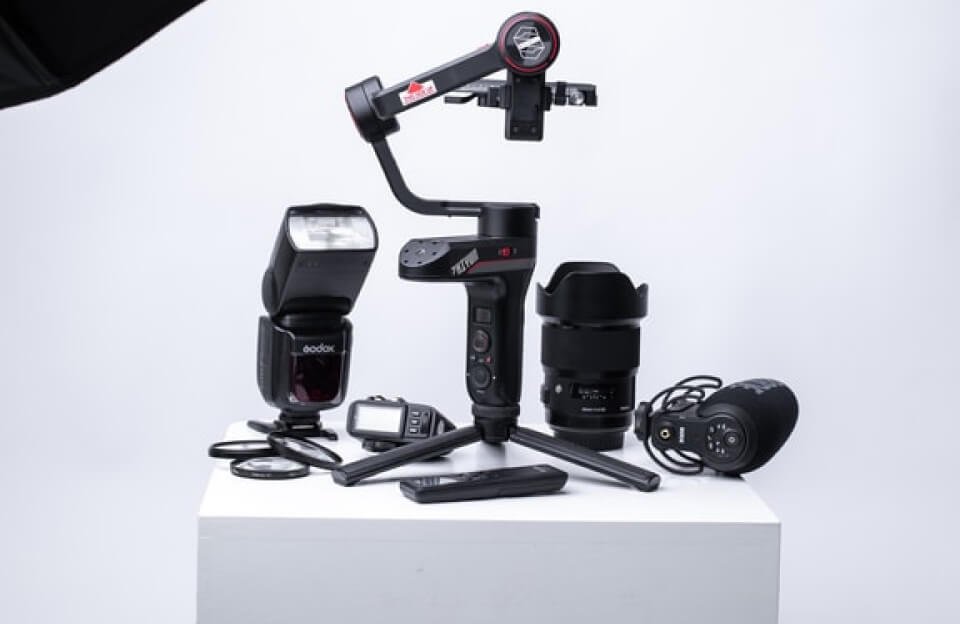
- Use a Macro Lens – Close-up lenses reveal the fine texture of pollen and the anatomy of insects.
- Fast Shutter Speeds – Pollinators move quickly, so high shutter speeds help freeze their motion.
- Natural Light – Early morning or late afternoon light provides softer, more flattering illumination.
- Patience and Observation – Understanding pollinator behavior increases the chances of capturing unique shots.
Why Pollination Photography Matters
- Scientific Documentation – Images help researchers study pollinator activity and flower interactions.
- Education and Awareness – Stunning photographs raise awareness of the importance of pollinators in ecosystems.
- Artistic Inspiration – Pollination photography blends science and art, offering captivating visuals for exhibitions and publications.
Conclusion
By photographing pollinators and the “dust” they carry, artists and scientists provide a window into a vital ecological process. These images celebrate the unseen heroes of nature, showing how even the smallest creatures play a crucial role in sustaining life on Earth. 🐝🌸📸